Where Centuries Meet the Gulf
From Indigenous shores and Spanish explorers to the iconic beach community of today, Pensacola Beach carries a remarkable story shaped by the Gulf, generations, and time.
THE HISTORY OF PENSACOLA BEACH
Long before Pensacola Beach became a beloved destination for generations of visitors, these shores were shaped by Indigenous cultures, Spanish explorers, maritime trade, military ambitions, and the ever-changing Gulf of Mexico. Today, the island offers a remarkable connection to that past—where historic landmarks and stories coexist with the relaxed sophistication of modern coastal living.
The City of Five Flags
Pensacola’s remarkable history earned it the nickname “The City of Five Flags.” Spanish, French, British, American, and Confederate influences have all left their mark, creating a destination with a cultural identity that goes far beyond its beaches.
Casino Beach
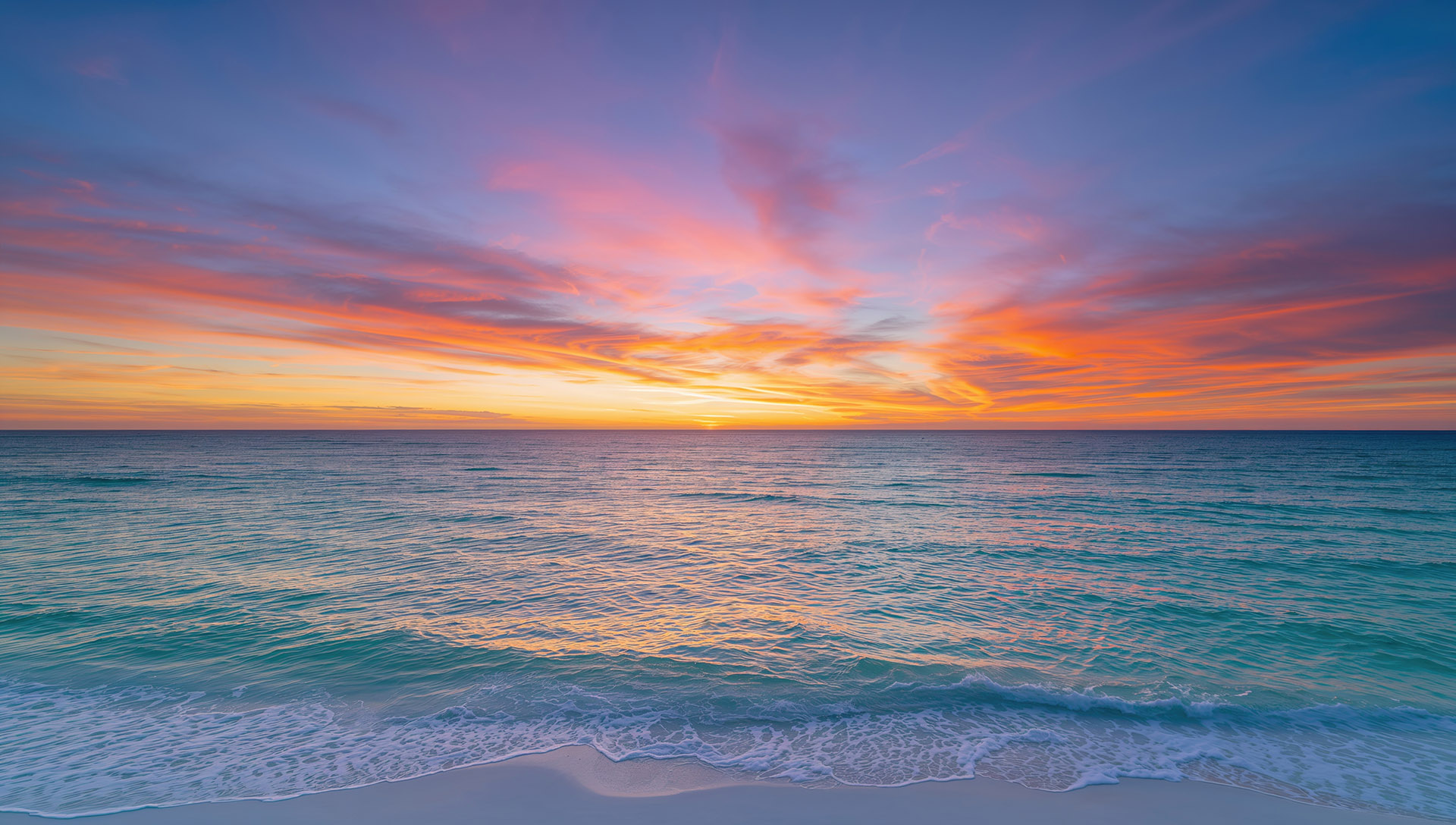
In the early 1930s, a large beachfront pavilion known as the Casino Resort opened on Santa Rosa Island, becoming a popular gathering place for dancing, dining, swimming, and socializing. Although the original casino is long gone, its name endured—and Casino Beach remains the heart of Pensacola Beach today. For residents, it represents more than a historic name: it’s a connection to the lively, social beach culture that has defined this stretch of the island for generations.
Blue Angels
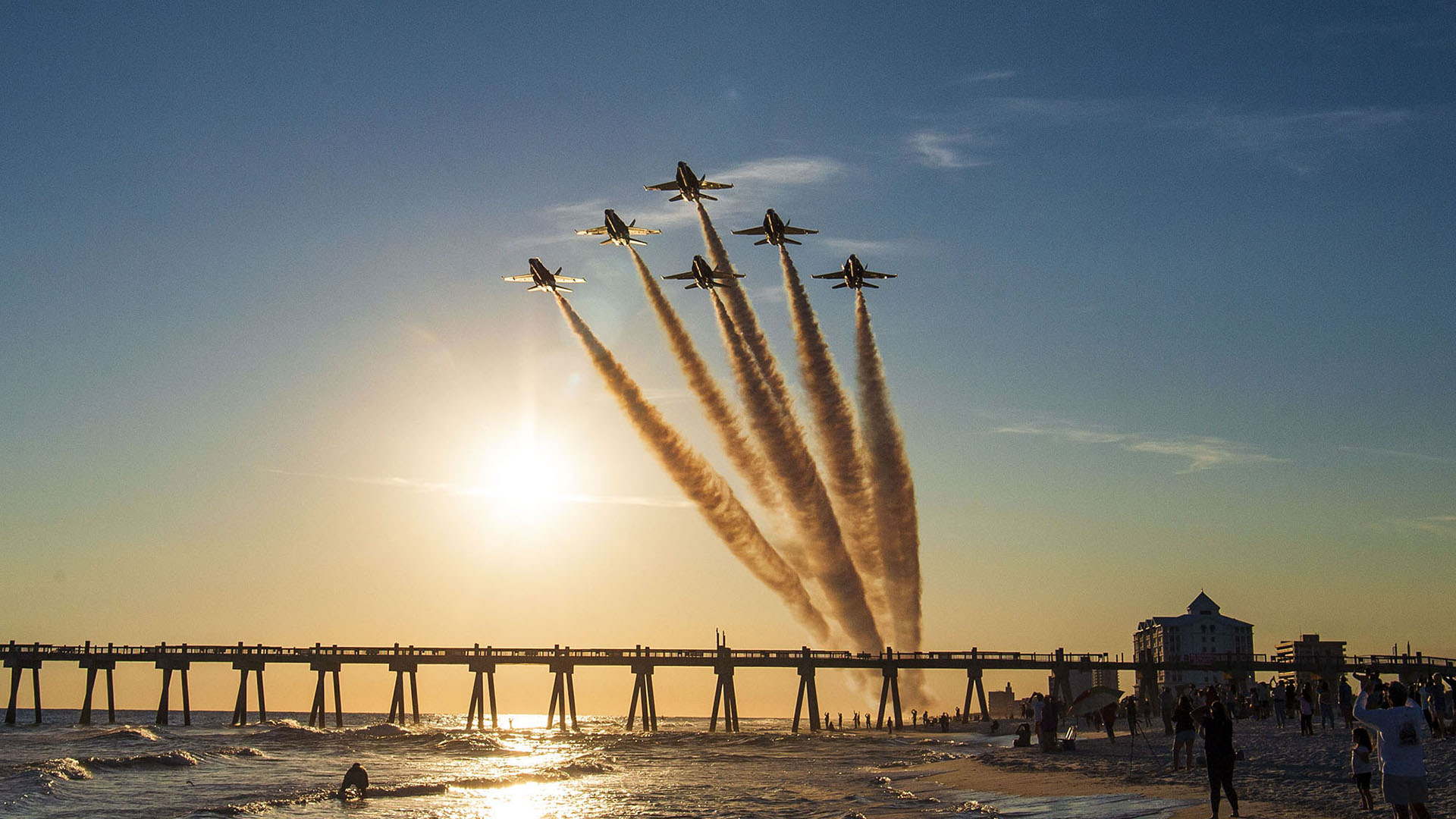
Few experiences capture Pensacola’s identity quite like watching the Blue Angels take to the skies. With Naval Air Station Pensacola nearby, the area’s strong connection to naval aviation has become an important part of local culture and a source of pride for generations.
Fort Pickens
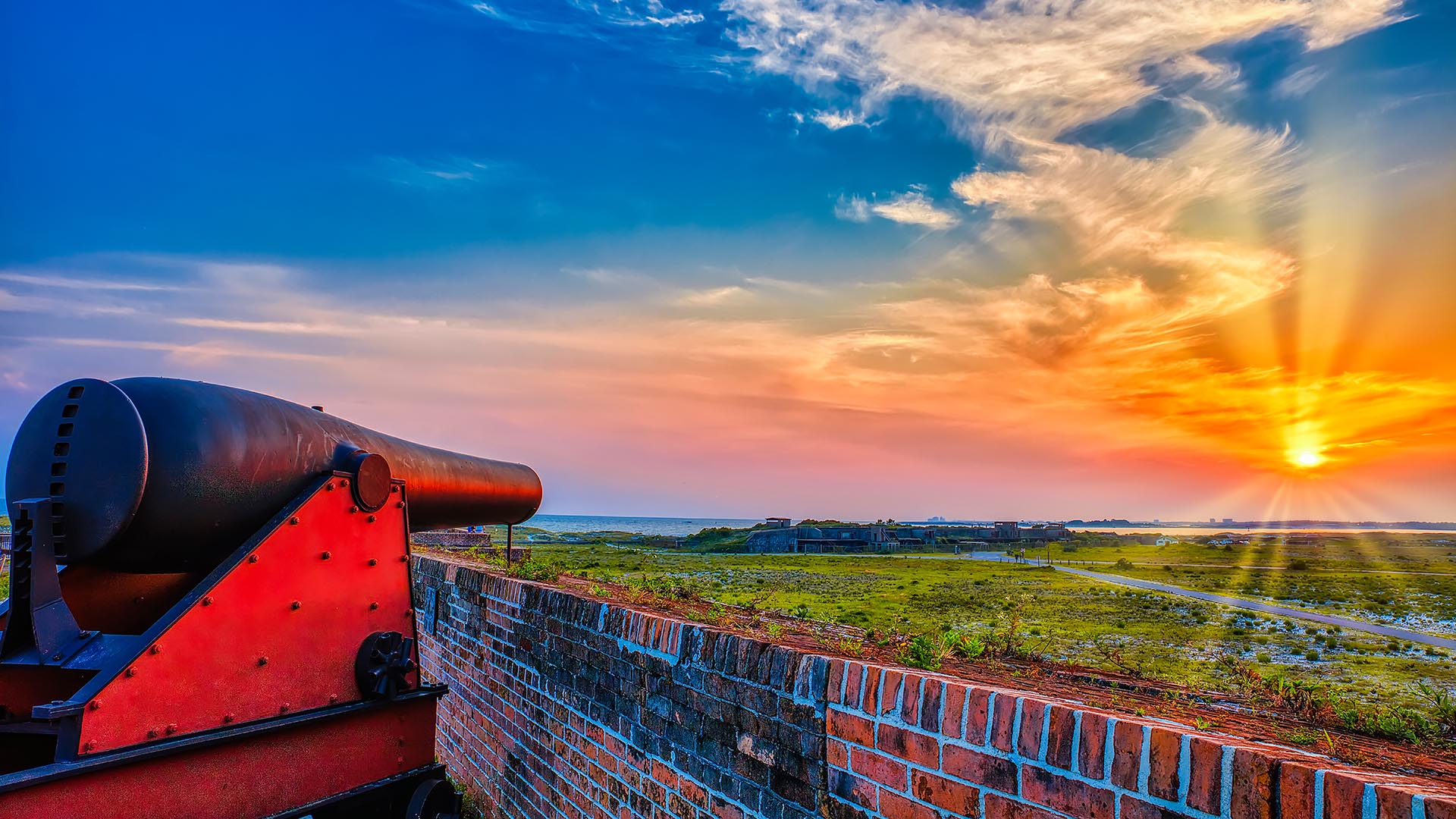
Set against the Gulf and protected dunes of the Gulf Islands National Seashore, Fort Pickens offers residents an extraordinary connection to the past—and miles of beautiful coastline to explore by foot, bike, or boat.